
If you have flat feet, you might think it’s just a harmless trait. But when does it cross the line into something that could impact your daily life? Persistent pain, swelling your mobile podiatrist, or changes in how you walk are signs you shouldn’t ignore. Understanding when flat feet become a real concern can help you avoid long-term issues and maintain your mobility. Let’s explore what symptoms to watch for and when to seek help.
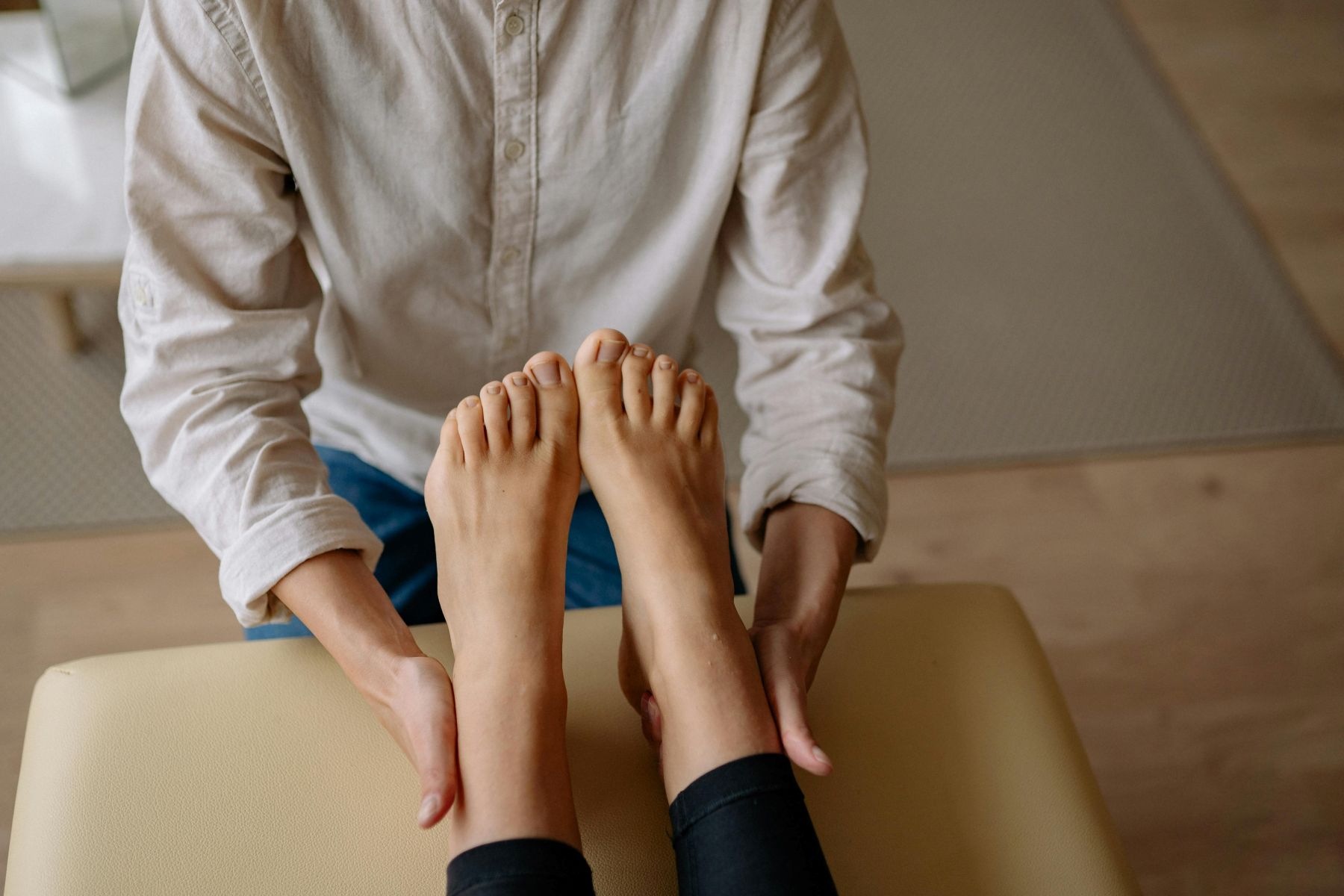
What Are Flat Feet and How Do They Affect Adults
Flat feet, also known as fallen arches, occur when the arches of your feet collapse or never develop properly. This means your entire foot touches the ground when you stand, which can change how you move and balance.
You might notice your feet tire faster or feel less spring in your step. Since your arches act like natural shock absorbers, without them, your feet may absorb more impact https://peoplepodiatry.com.au/, affecting your knees, hips, and back.
But flat feet don’t always mean pain or problems—they can be a part of your natural structure. Understanding how your flat feet work helps you choose footwear and activities that keep you moving freely, without feeling held back by discomfort or instability.
When Should You Be Concerned About Flat Feet Pain?
You’ll often notice discomfort or pain when your feet struggle to support your weight properly. If this pain keeps you from moving freely or enjoying activities you love, it’s a sign to pay attention.
Don’t ignore persistent aching, especially after standing or walking for long periods. Sharp or shooting pain, swelling, or difficulty walking can also signal that your flat feet are causing problems.
When your foot pain starts affecting your balance or causes pain in your knees, hips, or lower back, it’s time to take action. You deserve to move without limits, so listen to your body and seek help if your flat feet pain starts interfering with your daily life or freedom to explore.
Common Symptoms That Signal a Problem With Flat Feet
Although many people live with flat feet without issues, certain symptoms can indicate a problem that needs attention.
You might notice persistent pain in your arch, heel, or ankle that interferes with your daily activities. Swelling along the inside of your foot or ankle can also be a red flag.
If you find it harder to stand on your toes or feel your foot rolling inward when you walk, these signs suggest your flat feet are causing problems. You may also experience fatigue or discomfort after long periods of standing or walking.
Pay attention if your shoes wear unevenly or if you develop knee, hip, or lower back pain, as these can stem from flat feet affecting your overall alignment.
Recognizing these symptoms early helps you reclaim your freedom to move comfortably.
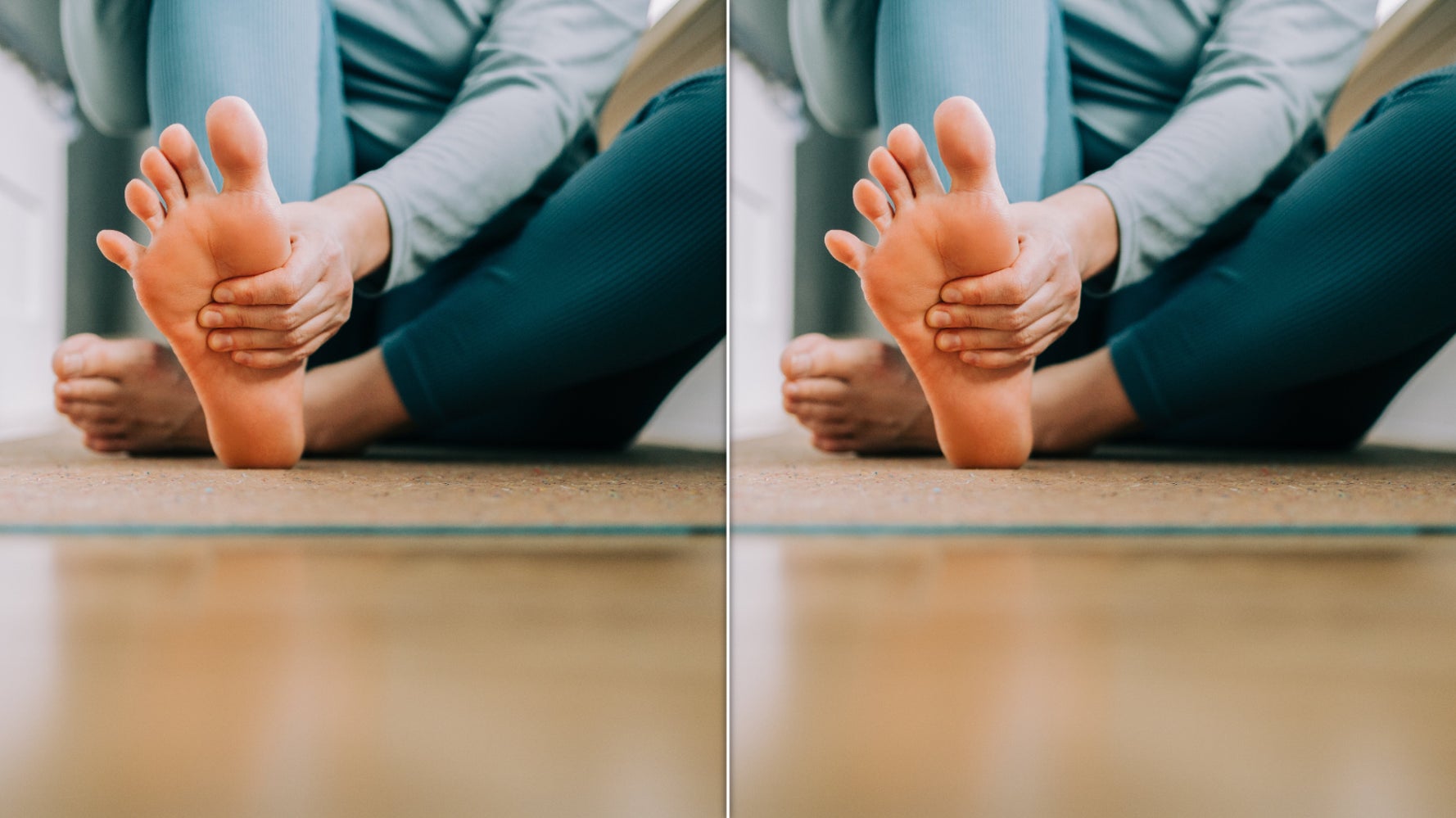
How Healthcare Professionals Diagnose Flat Feet Issues
When you visit a healthcare professional about foot pain or discomfort, they’ll start by examining your feet and gait to spot any signs of flat feet or related issues. They’ll look at the arch while you stand and walk, checking if it collapses or flattens.
You might be asked to perform simple movements to assess flexibility and pain points. Imaging tests like X-rays or MRIs can help reveal bone alignment or soft tissue problems contributing to your symptoms.
Your provider may also review your medical history and daily activities to understand factors affecting your feet. This thorough approach ensures they accurately diagnose your condition, empowering you to make informed choices about your foot health and maintain the freedom to move comfortably.
Treatment Options to Relieve Flat Feet Discomfort in Adults
Managing flat feet discomfort involves a combination of treatments designed to reduce pain and improve foot function.
You don’t have to let flat feet limit your freedom or daily activities.
Here are three effective ways to ease your discomfort:
- Supportive Footwear and Orthotics: Choose shoes with good arch support or custom orthotic inserts to stabilize your feet and reduce strain.
- Stretching and Strengthening Exercises: Regularly stretch your calves and strengthen your foot muscles to improve alignment and flexibility.
- Lifestyle Adjustments: Avoid high-impact activities that worsen pain, and maintain a healthy weight to reduce pressure on your feet.
Conclusion
If your flat feet cause persistent pain, swelling, or affect your daily activities, it’s time to pay attention. Don’t ignore aching, sharp pains, or difficulty walking, especially if it impacts your balance or leads to knee, hip, or back problems. Seeing a healthcare professional can help diagnose the issue and get you on the right treatment path with orthotics, supportive shoes, or exercises. Taking action early helps you stay active and comfortable.