
Interior design exhibition planning for businesses starts with defining clear goals and understanding the target audience to tailor the experience. Selecting a venue that complements the brand and facilitates smooth visitor flow enhances engagement. Designing interactive exhibition booth design, visually appealing displays that reflect core values captivates attendees. A focused marketing plan leveraging digital channels boosts visibility. Efficient logistics and timely follow-up guarantee lasting impact. Exploring each area further reveals essential strategies for a successful exhibition.

Define Your Interior Design Exhibition Goals and Audience
Before planning an interior design exhibition, clearly defining its goals and target audience is essential. Establishing specific objectives—whether showcasing innovation custom exhibition stand contractor, educating attendees, or boosting brand visibility—guides all subsequent decisions.
Identifying the target audience involves understanding their preferences, demographics, and expectations, ensuring the exhibition resonates with their interests and values. This clarity enables a focused approach, maximizing engagement and impact.
Additionally, defining goals and audience early fosters creative freedom within defined parameters, allowing organizers to innovate without losing direction. Ultimately, this foundational step shapes the exhibition’s purpose, tone, and content, aligning them with the aspirations of both the organizers and the attendees who seek authentic, meaningful experiences.
Choose the Perfect Venue and Layout for Your Exhibition
Selecting an appropriate venue and designing an effective layout are critical steps in executing a successful interior design exhibition. The venue should align with the brand’s identity, provide ample space, and offer flexibility for various display configurations. Accessibility, lighting, and acoustics also play pivotal roles in enhancing visitor experience.
An open, intuitive layout encourages smooth traffic flow, allowing attendees to explore without restriction. Zones can be designated for different themes or product categories, but rigid barriers should be avoided to maintain a sense of freedom. Thoughtful spatial planning maximizes engagement while preventing overcrowding.
Ultimately, the venue and layout must support the exhibition’s goals, making the environment inviting and comfortable, so visitors feel free to navigate and absorb the showcased design concepts naturally.
Design Engaging Displays to Showcase Your Brand Style
Crafting engaging displays is essential to effectively communicate a brand’s unique style and identity within an interior design exhibition.
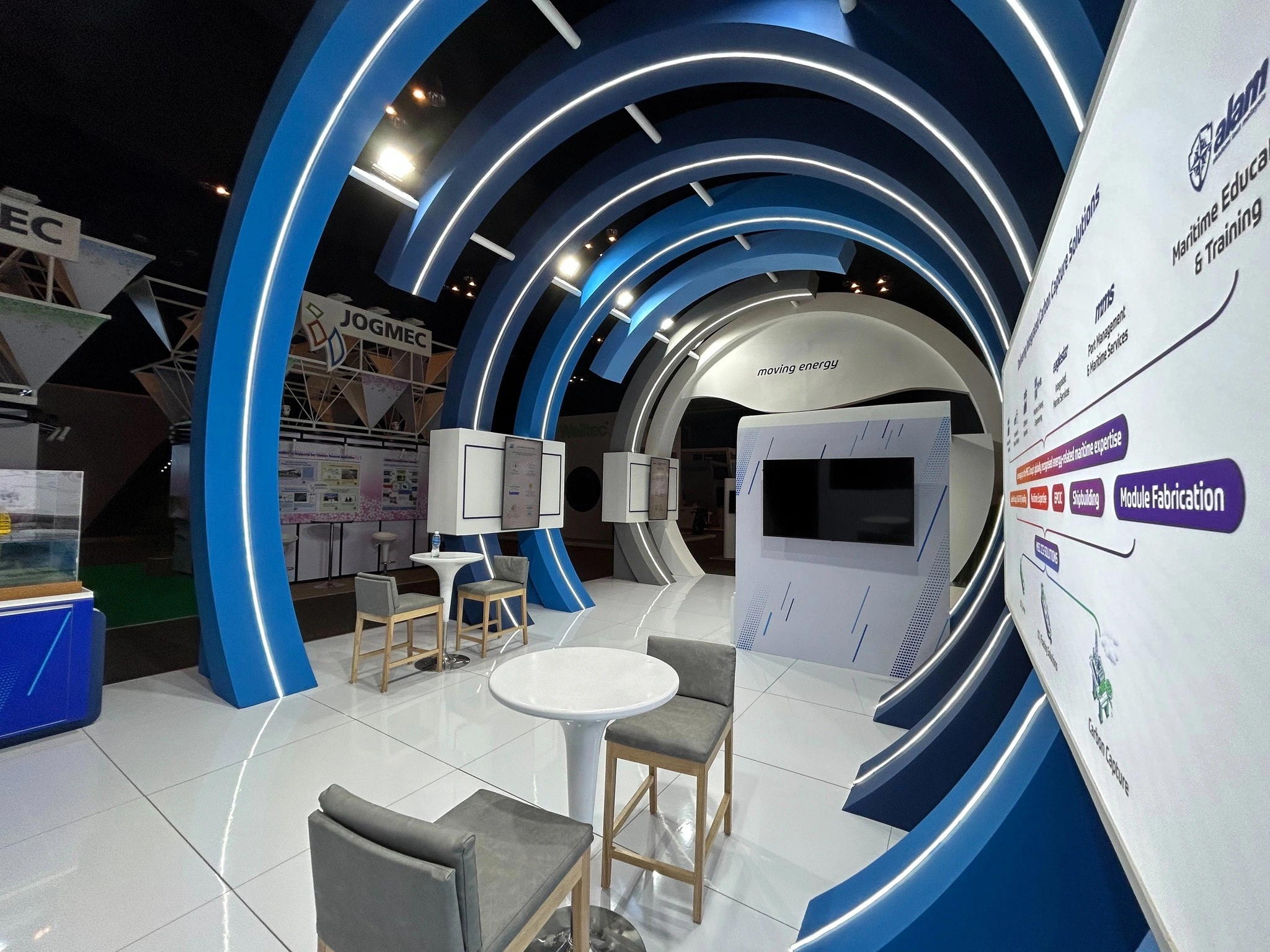
Displays should reflect the brand’s core values through thoughtful color schemes, textures, and spatial arrangements that invite exploration and interaction.
Incorporating innovative materials and lighting techniques can highlight key products while creating an immersive atmosphere.
Flexibility in design allows for adaptation to different spaces and audience preferences, fostering a sense of freedom and creativity.
Clear signage and cohesive visual elements make certain visitors easily grasp the brand’s message without distraction.
Ultimately, well-designed displays not only attract attention but also create memorable experiences that resonate with potential clients, reinforcing the brand’s presence in the competitive interior design market.
Create a Marketing Plan That Brings Visitors to Your Exhibition
Developing a targeted marketing plan is essential to drive attendance and maximize exposure for an interior design exhibition. Effective strategies focus on identifying the ideal audience and crafting clear messages that resonate with their interests.
Leveraging digital platforms, such as social media and email campaigns, can broaden reach while allowing for personalized engagement. Collaborations with industry influencers and media outlets amplify visibility and credibility.
Offering exclusive previews or interactive content sparks curiosity and encourages sharing. Consistent branding across all materials reinforces the exhibition’s identity and appeal.
Timing promotions to build momentum without overwhelming potential visitors guarantees sustained interest. By balancing creativity with strategic outreach, businesses can attract diverse attendees, enhance participation, and ultimately elevate their exhibition’s presence in a competitive market.
Plan Logistics and Follow Up to Maximize Your Exhibition’s Impact
Once the marketing plan generates interest and attracts visitors, attention shifts to organizing the logistical details that guarantee a smooth and engaging exhibition experience.
Effective logistics management includes confirming venue arrangements, coordinating transportation for materials, and assuring timely setup and dismantling.
Clear communication with staff and partners minimizes disruptions and empowers teams to operate independently.
Post-exhibition, following up with leads and attendees sustains momentum and fosters lasting relationships.
Utilizing digital tools streamlines data collection and outreach, enhancing efficiency without restricting creativity.
By balancing structured planning with flexibility, businesses can maximize their exhibition’s impact while maintaining the freedom to adapt.
This approach assures the event not only runs seamlessly but also generates meaningful engagement and measurable returns.
Conclusion
Successful interior design exhibitions require careful planning and clear objectives. By defining goals and understanding the target audience, businesses can select appropriate venues and layouts that enhance their brand presence. Engaging displays attract attention, while strategic marketing secures steady visitor flow. Additionally, meticulous logistical planning and timely follow-up maximize the exhibition’s overall impact. Together, these elements create a cohesive experience that effectively promotes the business and fosters meaningful industry connections.